Pickleball Cruise 2026: Best Pickleball Cruises & Vacations at Sea
Pickleball cruises combine America’s fastest-growing sport with the comfort and ease of an ocean vacation. For many players, it’s a chance to stay active while enjoying great food, scenic ports, and a relaxed schedule. These cruises offer dedicated court time, organized play, professional instruction, and social events designed for all skill levels.
As pickleball continues to grow across the United States, more cruise lines are adding courts, clinics, and group play to their itineraries. That means U.S. travelers now have more choices than ever when planning a pickleball-focused getaway. Some cruises focus on casual play and community. Others offer structured training, tournaments, and skill-building sessions.
This guide breaks down everything you need to know before booking. You’ll learn what pickleball cruises include, who they’re best for, how they compare to land-based pickleball vacations, and what to expect onboard. Whether you’re new to the game or a seasoned player, this overview will help you decide if a pickleball cruise is the right fit for your next trip.
What Is a Pickleball Cruise and Why Is It So Popular in the U.S.?
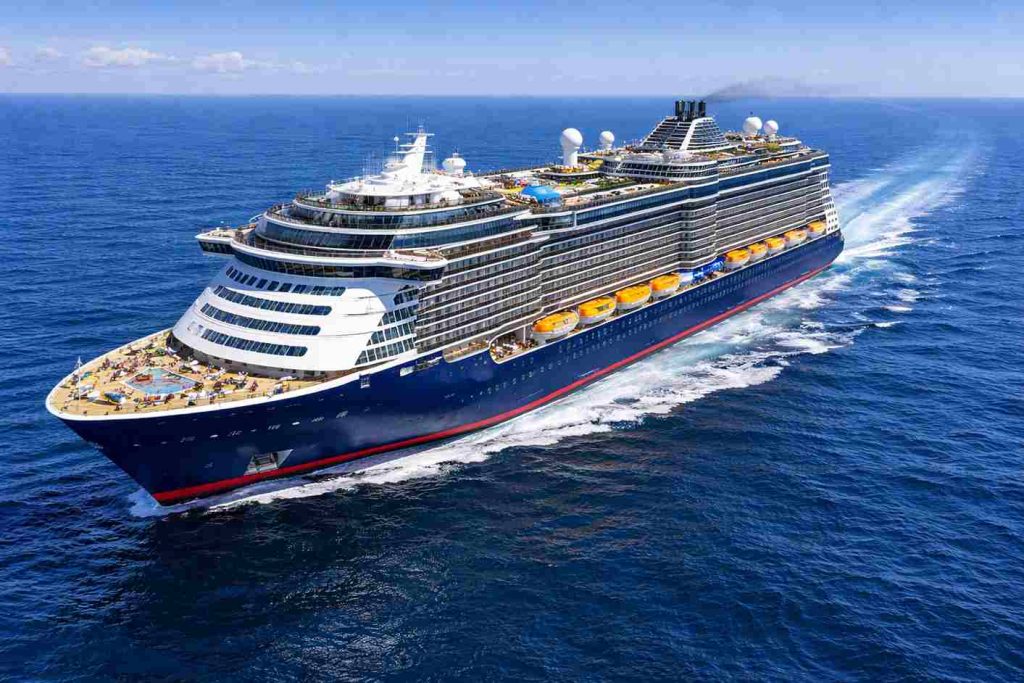
A pickleball cruise is a themed vacation where the game is part of the daily experience. Instead of searching for local courts, players enjoy organized matches, open play, clinics, and friendly tournaments right onboard. Most cruises provide dedicated courts, proper equipment, and scheduled sessions led by experienced instructors. Trips usually last between four and ten days, giving travelers plenty of time to play while still enjoying port stops and excursions.
What makes these cruises especially appealing is how easy and social they are. Many Americans struggle to find regular court time, especially in crowded cities or during colder months. A cruise removes that problem. Courts are reserved, schedules are set, and weather is rarely an issue thanks to indoor or covered play areas. Players can focus on enjoying the game instead of worrying about logistics.
Pickleball’s rapid rise across the United States has also fueled demand. Families, couples, and solo travelers are drawn to the sport because it’s fun, low-impact, and welcoming to all skill levels. Even in pickleball-friendly states like Florida and California, a cruise offers something different—playing against ocean backdrops and meeting players from around the country.
For U.S. travelers, pickleball cruises fit naturally into an active vacation lifestyle. Retirees enjoy the structured play and relaxed pace, while younger players appreciate the mix of fitness, travel, and entertainment. Departures from major ports like Miami and Fort Lauderdale make these trips easy to access without long flights. With built-in community, consistent play, and full cruise amenities, it’s easy to see why pickleball cruises have become a favorite option for millions of American players.
The Explosive Growth of Pickleball in America and Its Impact on Cruise Tourism
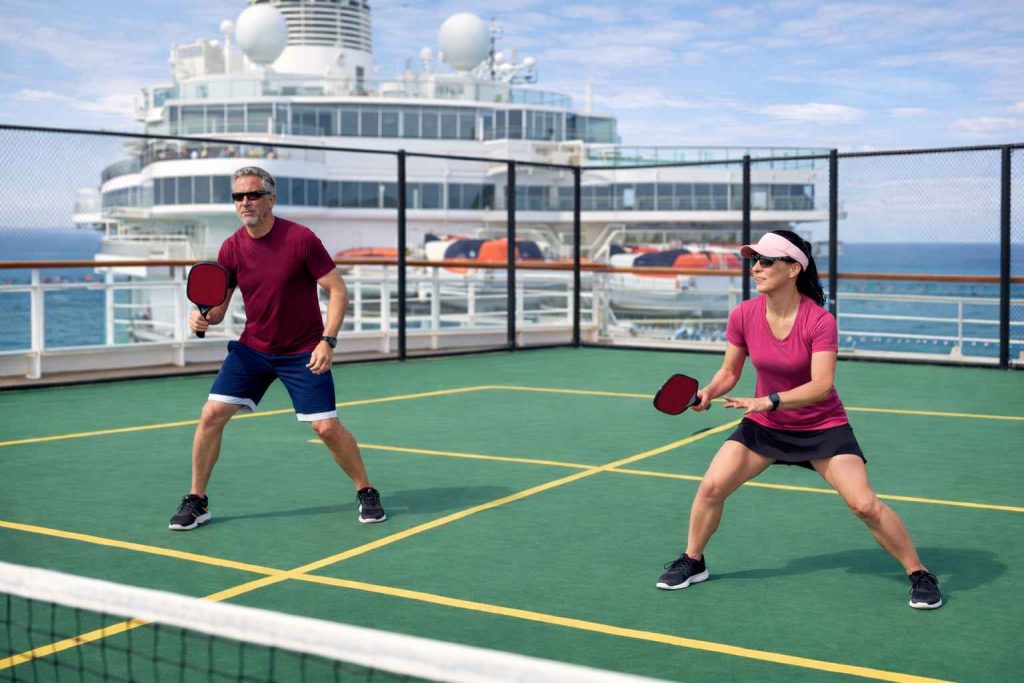
Pickleball’s rise in the United States has been nothing short of remarkable. What began in 1965 on Bainbridge Island, Washington, has grown into a nationwide movement enjoyed by players of all ages. By 2024, participation reached an estimated 19.8 million Americans, marking a 311% increase in just three years and a 45.8% jump from 2023 alone. No other sport in the country has grown at this pace.
Industry projections suggest the momentum is far from slowing. Through 2026, pickleball participation is expected to continue growing at 15–20% annually, driven by strong demand and expanding awareness. To keep up, communities across states like Texas, Arizona, Florida, and New York are rapidly building infrastructure. Recent data shows more than 68,000 pickleball courts nationwide, with new facilities opening every month.
This surge has had a direct impact on cruise tourism. Major cruise lines, including Royal Caribbean and Holland America, have responded by adding pickleball courts across their fleets. Many now partner with organizations such as the Professional Pickleball Association (PPA) to offer structured programming, clinics, and organized play that follow official rules. At the same time, specialized operators like Pickleball At Sea Group Cruise have carved out a growing niche by hosting themed voyages designed entirely around the sport.
For U.S. travelers—especially retirees and active seniors—these cruises fill a clear need. They provide consistent access to courts without the overcrowding issues seen on land. Players stay active during the day, then enjoy classic cruise amenities like dining, live entertainment, spas, and shows in the evening. Ships become floating pickleball communities, bringing together players from across the country.
The economic ripple effect is also significant. Pickleball cruises contribute to U.S. port economies, particularly in major departure cities such as Miami and Fort Lauderdale. Passenger spending on hotels, dining, transportation, and excursions generates millions of dollars annually. As pickleball continues to grow, its influence on cruise tourism is likely to deepen, turning the sport into a lasting driver of both travel demand and economic activity in the United States.
Types of Pickleball Courts on Cruise Ships

Pickleball courts on cruise ships come in several formats, each designed to fit the ship’s layout while still offering a fun and safe playing experience. While space at sea is limited, cruise lines have become creative in how they accommodate the sport. Below are the most common court types you’ll find onboard.
Outdoor Courts
Outdoor courts are typically located on the upper decks and are popular for their ocean views. Many Royal Caribbean Oasis-class ships feature open-air, multi-use courts with wind barriers to help reduce ball drift. Holland America often places courts on higher decks, usually within basketball or sports areas, for added flexibility. These courts offer a scenic experience, but players may need to adjust for wind, sun, or light ship movement. Non-slip surfaces are standard to improve safety.
Indoor Courts
Indoor courts are ideal for consistent play, especially on itineraries with unpredictable weather. Royal Caribbean’s Quantum-class ships include climate-controlled indoor spaces, such as the SeaPlex, where pickleball can be played rain or shine. Norwegian Cruise Line’s Prima-class ships also offer indoor courts in areas like “The Stadium.” These setups allow for reliable scheduling and longer play sessions without weather interruptions.
Multi-Use Courts
Many cruise ships rely on convertible sports courts that can be set up for pickleball when needed. Tennis or basketball areas are adapted using portable nets and temporary court lines. Celebrity Cruises uses open-air, multi-purpose spaces with panoramic views, while Princess Cruises often integrates courts near jogging tracks. This setup maximizes space but may involve shared schedules, with crew members coordinating time slots for different activities.
Dedicated Full-Size Courts
Dedicated, full-size pickleball courts are rare at sea but highly valued by serious players. Some luxury lines, such as Crystal Cruises, offer full courts on ships like Crystal Serenity and Crystal Symphony. River cruise operator AmaWaterways also features regulation-sized courts on the AmaMagna. These courts provide a more authentic playing experience and are ideal for tournaments or advanced play.
Court quality can vary by ship. Smaller spaces may require slight rule adjustments, such as modified kitchen dimensions, but the experience remains enjoyable for most players. Equipment is usually provided, and court surfaces are designed with grip and cushioning to ensure stability and safety while the ship is in motion.
Onboard Clinics, Coaching, Tournaments, and Open Play
One of the biggest advantages of a pickleball cruise is the structured yet flexible schedule of activities. These cruises are designed to fit different skill levels, energy levels, and daily plans, so players can participate as much—or as little—as they want.
Clinics and coaching sessions are a major highlight. They typically cover everything from basic fundamentals to advanced techniques. On themed pickleball cruises, sessions are often led by certified instructors or professional players. Beginners learn core skills like serving, dinking, court positioning, and scoring. More advanced players focus on strategy, shot selection, and doubles communication. On cruise lines such as Holland America, introductory clinics and rule-based seminars guided by Professional Pickleball Association (PPA) standards are often included at no extra cost.
Tournaments add a fun competitive element. These range from relaxed round-robin games to end-of-cruise tournaments with prizes or recognition. Royal Caribbean frequently schedules daily matches on sea days, while specialized pickleball cruises may offer tournaments both onboard and at select port stops. Most formats emphasize doubles play, with simple brackets and games typically played to 11 points, keeping competition friendly and accessible.
Open play sessions are available on most days and usually last two to four hours. These sessions allow players to drop in for casual games, practice, or spontaneous matchups. On Celebrity Cruises, for example, open-air courts encourage relaxed, pick-up games that help players connect naturally. Paddles and balls are provided, so there’s no need to pack extra gear. Sign-up systems help ensure fair court access, especially on busy sea days.
All activities are designed to blend smoothly with ship life. Players can enjoy a morning clinic, take a shore excursion in the afternoon, and still make it to dinner or a show in the evening. Cruise staff manage schedules and court safety, creating an inclusive environment for everyone onboard.
Skill Levels Supported: From Beginners to Advanced Players

Pickleball cruises are built to welcome players at every stage of the game. Beginners are well supported, with free introductory clinics offered on cruise lines like Royal Caribbean and Carnival. These sessions focus on fundamentals such as paddle grip, serving rules, basic rallies, and court awareness. Small group sizes help reduce pressure and allow for personalized guidance, making it easy for first-time players to gain confidence.
Intermediate players benefit from skill-matched open play and targeted drills. These sessions emphasize consistency, shot placement, and teamwork in doubles play. Players often rotate partners, which helps improve adaptability and communication on the court.
Advanced players find plenty of challenges as well. Competitive tournaments and pro-led clinics dive into higher-level tactics like third-shot drops, lobs, stacking, and net dominance. Some specialty operators, such as Pickleball in Paradise, limit group sizes to maintain balanced matchups and maximize court time.
Non-players are always welcome too. While one group plays pickleball, others can enjoy pools, spas, dining, or live entertainment. This flexibility makes pickleball cruises ideal for couples, families, and mixed-interest groups. With options to move from beginner sessions to advanced play over the course of a single trip, these cruises offer a unique opportunity for skill growth in a relaxed, supportive setting.
Community, Social, and Networking Benefits
One of the strongest appeals of a pickleball cruise is the sense of community it creates. Unlike traditional vacations, these cruises are built around shared interests, which makes connecting with others feel natural and effortless. Group dinners, casual meet-ups, sail-away parties, and post-match gatherings give players plenty of chances to socialize beyond the court.
Travelers from across the United States come together, often sharing stories about their home courts, favorite paddles, and local pickleball scenes. For many players, this creates an instant sense of belonging. The doubles format encourages teamwork and conversation, making it especially welcoming for solo travelers who may arrive alone but rarely stay that way.
For professionals and instructors, pickleball cruises can also open networking opportunities. Sponsored events, clinics, and branded sessions sometimes lead to future collaborations, teaching invitations, or partnerships. Retirees and repeat cruisers often form lasting friendships, with many planning future cruises together or arranging land-based meetups back home.
The social connection doesn’t end when the cruise does. Many groups stay in touch through online communities, where players share photos, game highlights, and future travel plans. This ongoing interaction transforms the experience from a one-time vacation into a long-term connection.
Ultimately, the community focus elevates the entire trip. A pickleball cruise becomes more than just a sports getaway—it’s a shared experience built around relationships, enjoyment, and a common passion in a relaxed, welcoming environment.
Pickleball Cruises vs. Land-Based Pickleball Vacations
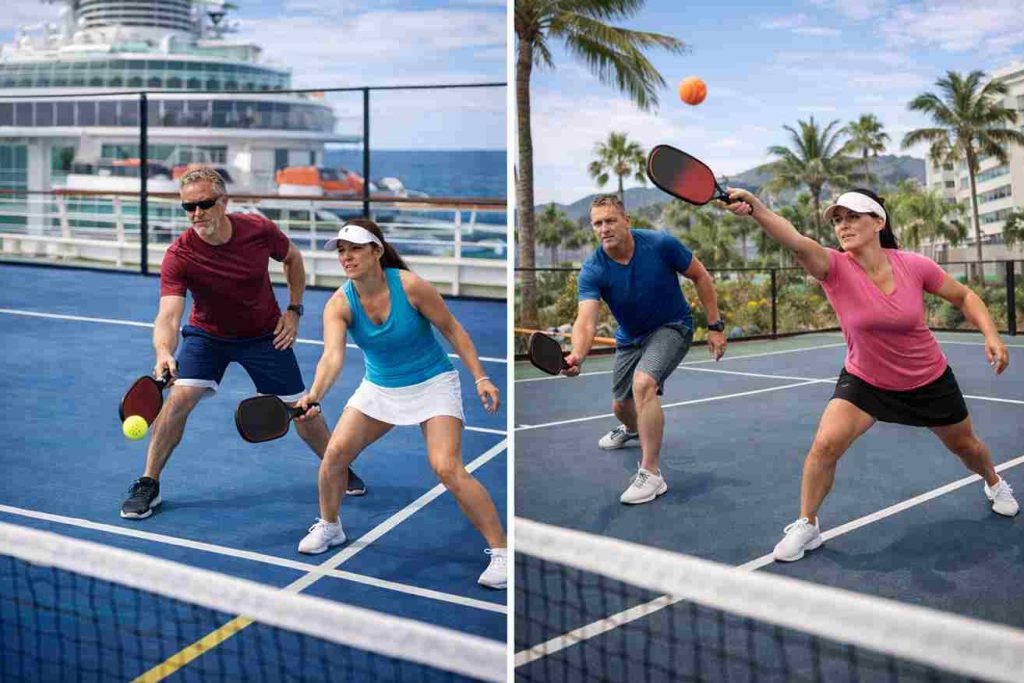
Pickleball cruises and land-based pickleball vacations each offer distinct advantages, depending on what travelers value most. Cruises stand out for their mobility. Guests visit multiple destinations without packing and unpacking, creating variety and a sense of adventure throughout the trip. Playing pickleball at sea while exploring different ports adds a dynamic element that many travelers enjoy.
Land-based pickleball vacations, such as resort stays in destinations like Antigua, Curaçao, or Turks & Caicos, focus on a single location. These trips often provide unlimited court access, consistent schedules, and immersive training programs. They are ideal for players who want intensive daily clinics and a structured improvement-focused experience.
Cruises also integrate pickleball with a wider range of entertainment. Shows, dining options, pools, and excursions make them well suited for mixed groups where not everyone plays pickleball. Land-based trips, on the other hand, cater more directly to players whose primary goal is time on the court.
From a cost perspective, cruises can be more affordable for shorter trips due to bundled meals, lodging, and activities. Land-based vacations often cost more upfront but offer depth and stability for longer stays. The choice ultimately comes down to preference: variety and social energy versus focused training and routine.
Quick Comparison
Pricing, Packages, and Overall Value for U.S. Travelers
For U.S. travelers, pickleball cruises offer flexible pricing and strong overall value. Short Caribbean or Bahamas itineraries typically start around $1,000 per person, including taxes and fees. These shorter trips are especially appealing to budget-conscious travelers or first-time cruisers. Longer Caribbean sailings usually range from $1,500 to $2,000 per person, with luxury options costing more depending on cabin type, season, and ship amenities.
Most pickleball cruise packages include organized play, instruction, equipment, and group perks such as welcome events, onboard credits, or branded swag bags. When meals, lodging, entertainment, and activities are factored in, the bundled value often exceeds what travelers would pay if booking hotels, dining, and court time separately.
Optional add-ons, such as beverage packages, specialty dining, or shore excursions, can add $200–$500 to the total cost. These extras allow travelers to customize their experience without significantly increasing base expenses. Departures from U.S. ports in Florida or Texas help keep costs down by eliminating airfare, and seasonal promotions often provide additional savings.
Different cruise lines offer different value propositions. Holland America is known for complimentary lessons and relaxed programming, while specialized operators focus on professional instruction and curated group experiences. For many Americans seeking an active vacation without complicated planning, pickleball cruises deliver a strong return on investment.
Sample Pricing Comparison (Estimated)
Note: For exact and up-to-date pricing, please visit the official websites of the respective cruise lines and operators listed above.
Accessibility and Comfort for Seniors and Retirees
Pickleball cruises are designed with seniors and retirees in mind. Ships feature elevators, accessible cabins with wider doors, and low-impact pickleball sessions that are gentle on joints. Many top-deck courts, such as those on Holland America ships, are wheelchair-friendly. Complimentary beginner lessons are offered at a relaxed pace, ensuring everyone can participate comfortably.
Social interaction is another key benefit for retirees. Group dinners, casual meet-ups, and sail-away parties make it easy to form new friendships without high physical exertion. Limited-group cruises, like Pickleball At Sea, provide personalized attention, ensuring players can learn and enjoy at their own pace.
Calm ports such as CocoCay reduce walking distances, while onboard medical facilities, handrails, and strategically placed seating near courts add peace of mind. These features make pickleball cruises a practical and enjoyable choice for U.S. retirees seeking active vacations that are both safe and engaging.
Popular U.S. Departure Ports and Destinations
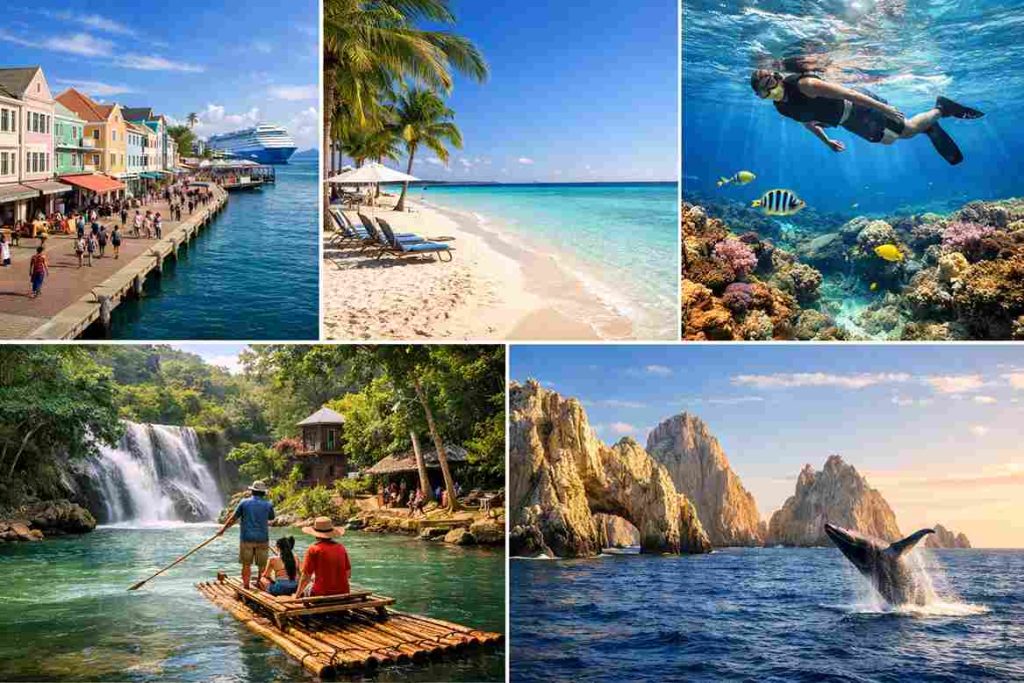
Florida dominates pickleball cruise departures. Miami, Fort Lauderdale, and Port Canaveral serve East Coast travelers, offering easy access via major airports. For travelers from the Midwest, Galveston, Texas, provides convenient drive-up options. These ports often include ample parking, shuttles, and nearby pre-cruise hotels.
Popular destinations include:
- Bahamas: Nassau (shopping, sightseeing) and CocoCay (beaches, calm waters)
- Caribbean: Cozumel (snorkeling), Jamaica (culture and excursions)
- Mexico: Cabo San Lucas (whale watching, coastal scenery)
Some cruises offer shore-based play at local courts or resorts, enhancing the overall experience. This setup is ideal for U.S. travelers seeking short-haul trips without international hassles, combining activity, sightseeing, and relaxation in one seamless package.
European vs. Caribbean Pickleball Cruise Experiences for U.S. Travelers
Caribbean cruises are perfect for quick, tropical getaways. Short itineraries to the Bahamas or Western Caribbean feature warm weather, sunny beaches, and calm seas. Frequent departures from U.S. ports make them affordable and accessible, ideal for retirees or active travelers looking for a convenient escape.
European options, such as Danube or Rhine river cruises, focus on cultural immersion. Players enjoy onboard courts while visiting historic cities like Budapest, Vienna, and Amsterdam. These voyages provide scenic views and educational experiences but involve longer flights, higher costs (typically $2,000+ per person/estimated), and jet lag for U.S. travelers.
In summary:
- Caribbean cruises: Affordable, sunny, short, relaxed play
- European cruises: Premium, cultural, longer, more expensive
The choice depends on your priorities: do you prefer relaxation and convenience or exploration and adventure? Both offer unique experiences with structured play, social opportunities, and onboard amenities.
Pros, Cons, Limitations, and Realistic Expectations
Pickleball cruises offer a balanced, recreational experience. Players should expect fun, social interaction, and structured schedules rather than professional-level competition.
Most cruises focus on enjoyment, inclusivity, and community. While some ships may have smaller or shared courts, the combination of play, excursions, and amenities ensures a rewarding vacation for U.S. retirees, active adults, and multi-generational groups. By setting realistic expectations—balancing structured activities with downtime—travelers can maximize both fitness and fun at sea.
Future Trends for Pickleball Cruises in 2026 and Beyond
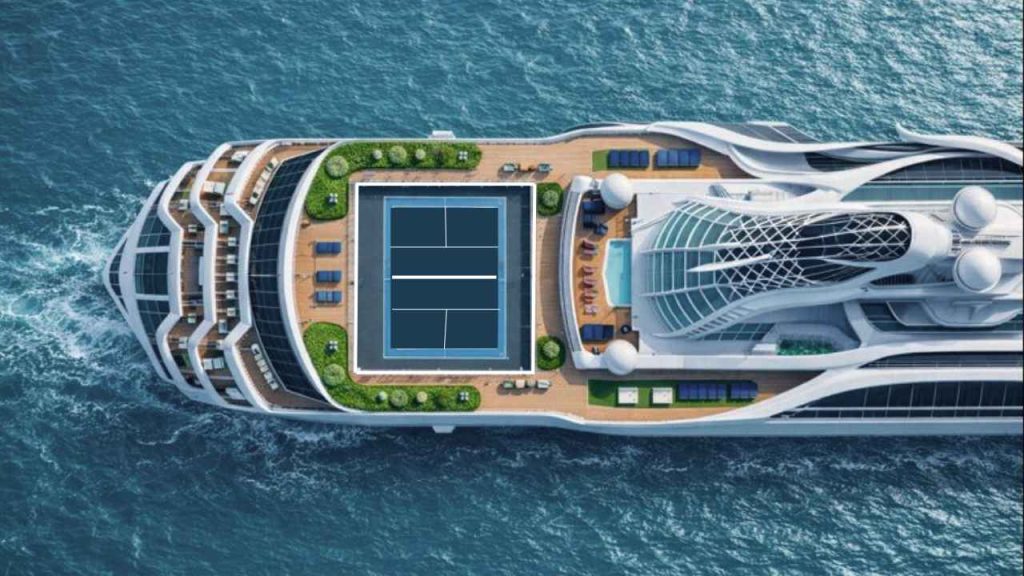
By 2026, pickleball cruises are expected to evolve into fully dedicated experiences for American travelers. Cruise lines are adding more indoor courts to guarantee weather-independent play, while technology integration—like app-based court bookings and skill-matching systems—will make planning smoother and more personalized.
The sport’s rapid growth, projected to reach over 25 million U.S. players, will drive hybrid wellness cruises that combine pickleball with yoga, Pilates, or fitness classes. This approach caters to health-conscious retirees and active adults who want a mix of activity and relaxation.
River cruises in Europe will expand, offering scenic routes with onboard courts, while U.S. lines plan indoor options for Alaska, East Coast, and Caribbean itineraries. Sustainability efforts, including eco-friendly equipment, waste reduction, and carbon-offset programs, will become more common, appealing to environmentally aware travelers.
Inclusivity is also a growing focus. Expect adaptive gear for players with disabilities and AI-driven matchmaking to ensure balanced games for all skill levels. These innovations will make pickleball cruises accessible, safe, and enjoyable for families, seniors, and solo travelers alike.
Overall, these trends position pickleball cruises as a mainstream vacation choice for American enthusiasts seeking active, community-focused travel with adventure, social engagement, and wellness integrated into the journey.
Top 5 Pickleball Cruises for U.S. Travelers in 2026
1. Pickleball At Sea Group Cruise
Pickleball At Sea specializes in themed voyages aboard Royal Caribbean ships. These cruises feature both indoor and outdoor courts, daily open play sessions, and clinics for all skill levels. Participants can also join ashore excursions that incorporate pickleball play, making the experience dynamic and engaging. Itineraries typically cover the Caribbean and Bahamas, departing from U.S. ports like Fort Lauderdale.
Groups are limited to ensure personalized attention, and pricing starts at around $1,086 per person for 4-night trips, including taxes, onboard credit, and swag bags. Reviews highlight the strong community vibe and memorable experiences, making this cruise ideal for retirees, families, and mixed-skill groups seeking a seamless blend of sport and leisure.
2. PickleballCruises.com (Annette Barnette Travel)
Organized by Annette Barnette Travel, PickleballCruises.com offers group events on Holland America ships with top-deck outdoor courts. Facilities include complimentary lessons, tournaments, and private play sessions, often in partnership with the Professional Pickleball Association (PPA) to maintain quality and structure.
Itineraries include Caribbean sailings with port excursions, and there are also custom non-cruise resort options for private groups. Pricing ranges from approximately $1,200 to $2,500 per person for 7-night trips, including taxes and basic inclusions. This cruise is perfect for U.S. travelers seeking structured fun with social dinners, accessibility features, and opportunities to meet other intermediate players in a balanced, well-organized setting.
3. Pickleball in Paradise
Pickleball in Paradise focuses on indoor, climate-controlled courts aboard Royal Caribbean’s Quantum-class ships, providing reliable play regardless of weather conditions. The cruise features reserved rotations for small groups of up to 24, skill-specific clinics, open play sessions, and social parties, often including perks such as onboard credit.
Destinations cover the Caribbean and beyond, with pricing ranging from $1,200 to $2,000 per person for 7-night voyages. This cruise appeals to U.S. travelers who want flexibility, consistent court time, and the opportunity to enjoy mixed skill levels while avoiding outdoor weather limitations. Reviews consistently praise the organized schedule and fun, community-oriented atmosphere.
4. Holland America Line Pickleball Cruise
As a partner of the PPA, Holland America offers top-deck courts fleet-wide, along with complimentary lessons, equipment, open play, and tournaments. The cruise integrates pickleball with fitness areas, including seminars on strategy and technique. 2026 itineraries feature Caribbean routes on ships like Nieuw Statendam, with pricing starting around $1,200 per person for 7-night trips.
Accessible features, calm ports, and a focus on inclusivity make this cruise especially appealing to seniors and retirees. Reviews highlight the welcoming atmosphere, value for money, and the combination of casual play with cultural excursions.
5. Royal Caribbean Pickleball Cruise
Royal Caribbean includes pickleball on many of its ships, featuring indoor SeaPlex courts for weather-proof play. Open sessions and casual games are combined with other onboard adventures like rock climbing, pools, and entertainment. Short Bahamas escapes are priced starting around $1,000 per person for a quick, active getaway.
U.S. travelers enjoy a family-friendly environment, with a lively social vibe and plenty of opportunities for mixed-group participation. Reviews highlight the energetic atmosphere and variety of activities, making it a strong choice for travelers looking to combine fitness, fun, and vacation flexibility.
Earnings and Business Model of Pickleball Cruise Organizers
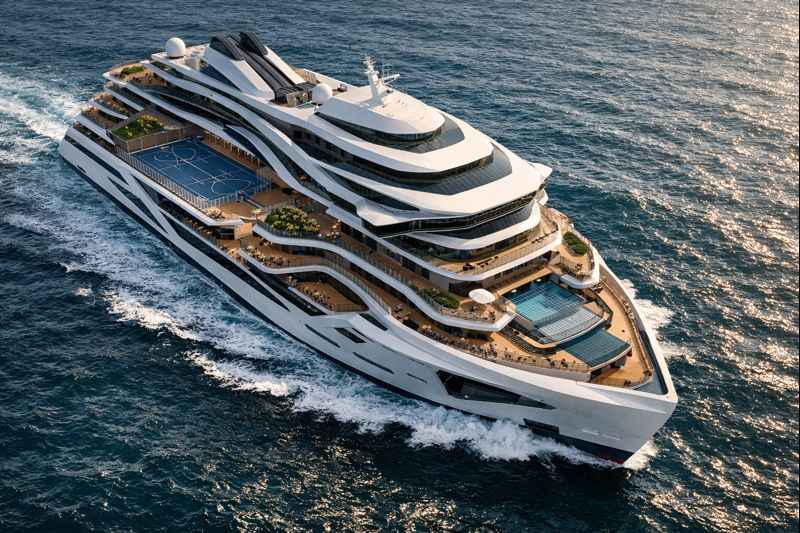
Pickleball cruise operators earn revenue through direct bookings and group reservations. Travelers pay deposits at booking and final balances before departure. Pricing typically combines standard cruise fares with markups for specialized services like pro instruction, reserved court time, and exclusive events.
Additional revenue comes from add-ons such as beverage packages, specialty dining, excursions, and merchandise like swag bags or branded paddles. Instructors—often professional players or certified coaches—receive fees around $350+ per clinic or daily rate, funded by the organizer or included in package pricing.
Many organizers partner with paddle brands and apparel sponsors, generating income from equipment deals, sponsored events, or promotional collaborations. The overall business model resembles traditional travel agencies, earning commissions of 10–15% on cruise fares from lines such as Royal Caribbean or Holland America. Specialized operators enhance value through curated experiences, social activities, and skill-specific clinics.
By combining commissions, markups, and add-ons, these cruises maintain sustainable operations in a growing niche market, catering to a community of U.S. players seeking active, social, and convenient vacation experiences.
Conclusion
Pickleball cruises are a perfect blend of sport, leisure, and community for U.S. travelers. They offer structured activities for all skill levels, from beginners to advanced players, while providing inclusive options for seniors and retirees. Caribbean itineraries deliver sunny escapes starting around $1,000 per person, while European voyages provide cultural depth for those seeking scenic travel and immersive experiences.
These cruises go beyond recreation, emphasizing social connections, teamwork, and lasting friendships. Group dinners, clinics, tournaments, and casual open play create a vibrant environment that appeals to families, solo travelers, and mixed-age groups. Compared to land-based pickleball vacations, cruises excel in variety, mobility, and integrated entertainment options, while still offering accessibility and comfort for all.
Future trends point to more indoor courts, hybrid wellness programs, sustainability efforts, and tech-driven scheduling. U.S. travelers can expect an expanding selection of itineraries, from short Bahamas getaways to longer cultural voyages, all designed to maximize both playtime and leisure.
For anyone planning a 2026 trip, consider booking early, comparing inclusions, and evaluating packages from operators like Pickleball At Sea, PickleballCruises.com, and Holland America. These curated experiences ensure convenience, fun, and a sense of community, making pickleball cruises a top choice for active, adventure-loving Americans.
Frequently Asked Questions

Jordan Blake
Jordan Blake is a racket-sports author with hands-on experience and a strong command of both tennis and pickleball. With a foundation built through years on the tennis court and a successful transition into competitive pickleball, Jordan brings practical insight, strategic clarity, and real-world understanding to every article.
Drawing on personal play, match analysis, and court-level observation, Jordan specializes in breaking down technique, tactics, and the mental aspects of both sports in a clear, data-informed, and accessible way. His dual-sport perspective helps readers understand how skills transfer between games—and where each sport demands its own distinct mastery.