Kaitlyn Christian Pickleball Player: Complete Bio, Career Highlights & Net Worth
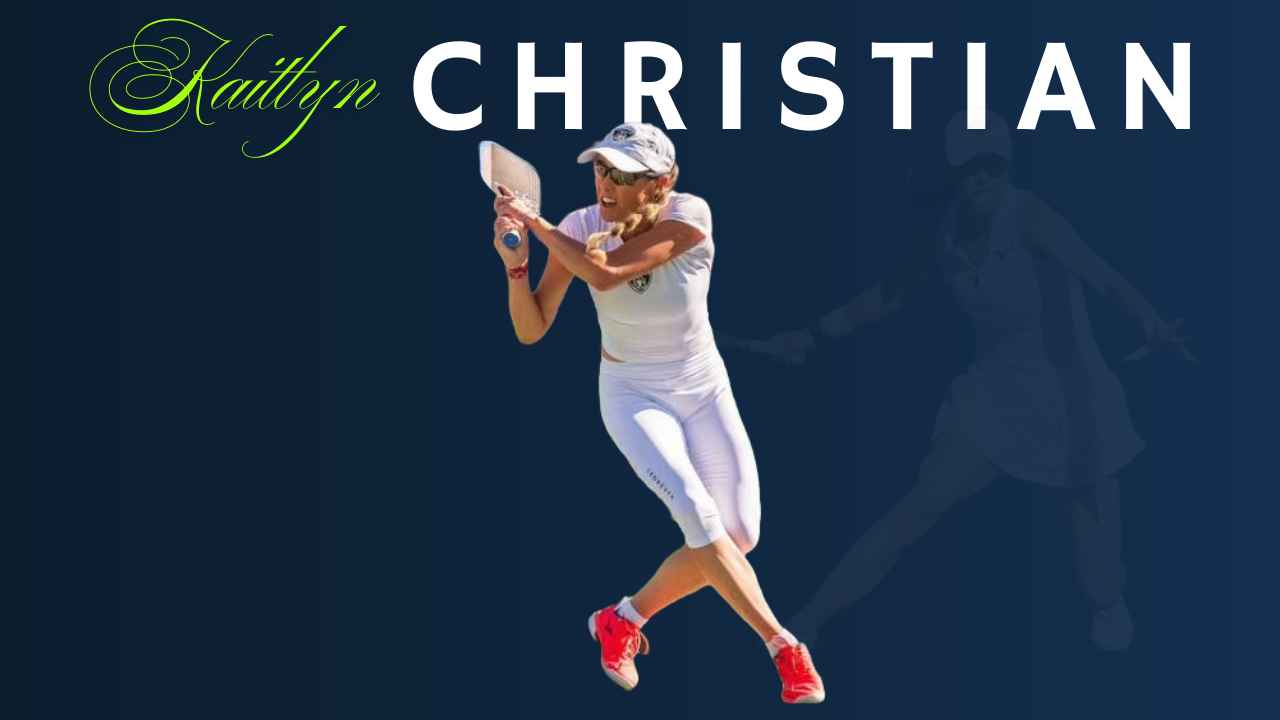
In the fast-evolving world of racket sports, few transitions have captured attention quite like Kaitlyn Christian’s move from elite professional tennis to the highest levels of pickleball. A former WTA doubles standout, Christian has not merely switched sports—she has redefined herself in one of the fastest-growing athletic arenas worldwide. Her evolution as a professional pickleball player highlights how experience, adaptability, and competitive intelligence can open a powerful second chapter in an athlete’s career.
Across the United States, United Kingdom, and Australia, pickleball is no longer a niche pastime. Courts are multiplying, viewership is climbing, and professional tours are gaining mainstream traction. In this environment, athletes like Christian resonate deeply. Tennis fans recognize her pedigree, while pickleball followers see a competitor capable of challenging the sport’s established elite. Whether you are interested in rankings, equipment, training methods, or athlete transitions, her journey offers a rare, in-depth case study.
Now in her early thirties, Christian represents a rare balance of physical capability and tactical maturity. Since committing full-time to the sport in 2024, her rise has been rapid, placing her firmly among the top women competing on the PPA Tour. Understanding how she arrived here requires a closer look at her roots, development, and professional evolution.
Kaitlyn Christian Pickleball Player: Profile at a Glance
Who Is Kaitlyn Christian?
Kaitlyn Christian is an American athlete best known for her successful career on the WTA Tour and her swift ascent in professional pickleball. Born on January 13, 1992, in Orange, California, she grew up in a supportive, sports-oriented environment that emphasized discipline and consistency.
While Southern California shaped her early athletic foundation, Christian also has family connections to Columbus, Ohio, a detail often associated with her grounded mindset and strong work ethic. Introduced to tennis at a young age, she quickly demonstrated an aptitude for competition, progressing through junior circuits with focus and determination.
At 32 years old, Kaitlyn Christian’s age places her in a strategic phase of her athletic life—experienced enough to read the game at an elite level, yet physically capable of enduring long tournament runs. Now based in Los Angeles, she reflects the modern professional athlete: globally mobile, media-aware, and intensely committed to training and performance.
USC Achievements and Collegiate Foundation
Christian attended the University of Southern California (USC), where she majored in Sociology while becoming one of the most accomplished players in the program’s history. Her USC achievements include:
- Three-time ITA All-American
- Key contributor to multiple Pac-12 championships
- 2013 NCAA Doubles Champion, partnering with Sabrina Santamaria
These years were transformative. Beyond titles, USC refined her tactical awareness, doubles instincts, and ability to perform under pressure. The structured collegiate environment also developed her leadership skills—qualities that now serve her well on the professional pickleball circuit.
Tennis Career Overview
Before stepping onto pickleball courts, Christian spent more than a decade competing at the highest levels of professional tennis. As a Kaitlyn Christian tennis player, she became known primarily as a doubles specialist, where anticipation, positioning, and teamwork defined success.
After turning professional, her career progressed steadily. She reached a career-high WTA doubles ranking of No. 38 in February 2019, reflecting consistency rather than fleeting form.
Key Tennis Achievements
- WTA 125 Saint-Malo Champion (2021) – Doubles
- WTA 250 Abierto Zapopan Champion (2022) – Doubles
- Third round, 2019 Australian Open (Doubles)
- Multiple second-round appearances at Roland Garros, Wimbledon, and the US Open
Across her WTA career, Christian earned over $580,000 in prize money, competing across continents against the world’s best doubles teams. Her net play, court coverage, and two-handed backhand became trademarks of her style.
By 2023, however, the physical and logistical demands of tennis—constant travel, surface changes, and injury management—prompted reflection. Pickleball, which she had played recreationally for years, presented an opportunity to remain elite while reducing long-term physical strain.
Transition Into Professional Pickleball
Christian’s transition was deliberate rather than impulsive. Years of casual play had already familiarized her with the sport’s rhythm, rules, and community. When she joined the Professional Pickleball Association (PPA), she did so with clear competitive intent.
Unlike many tennis converts, she did not rely solely on power. Instead, she invested time learning pickleball-specific skills—soft game control, resets, and kitchen patience—allowing her to integrate seamlessly into the professional landscape.
Professional Pickleball Career and Rankings
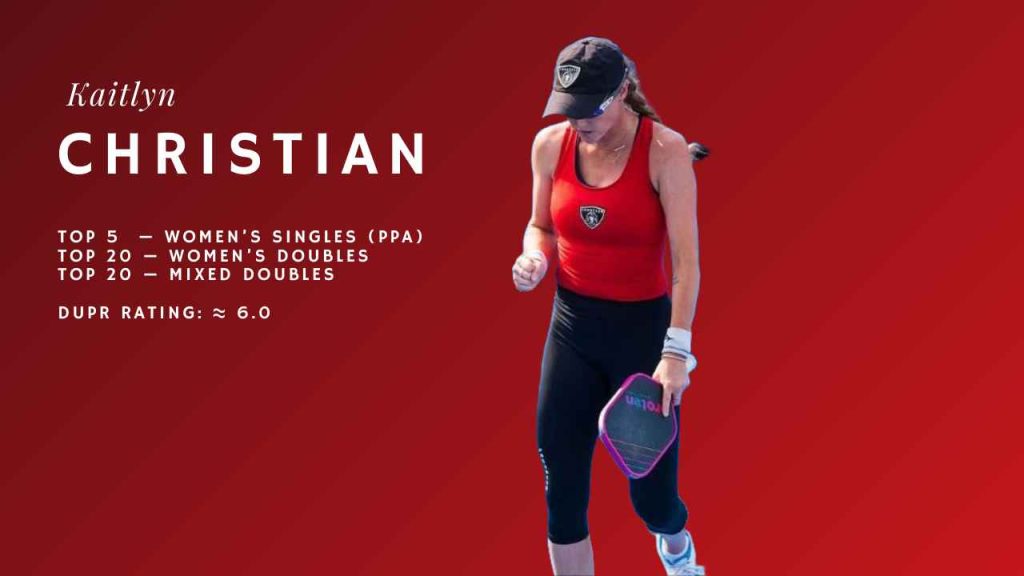
By early 2026, her results reflected consistency and adaptation:
- Top 5 in women’s singles (PPA)
- Top 20 in women’s doubles
- Top 20 in mixed doubles
- DUPR rating approaching 6.0
Her tournament performances include podium finishes at major PPA events and deep runs against the sport’s most established names.
Kaitlyn Christian – Career Summary & Rankings
Playing Style and Tactical Strengths
Christian’s style is unmistakably influenced by her tennis background:
- Powerful but controlled groundstrokes
- Elite net instincts developed through doubles
- Reliable two-handed backhand
- Exceptional movement and stamina
She excels at controlling the kitchen line, applying pressure through depth rather than reckless pace, and forcing opponents into uncomfortable exchanges.
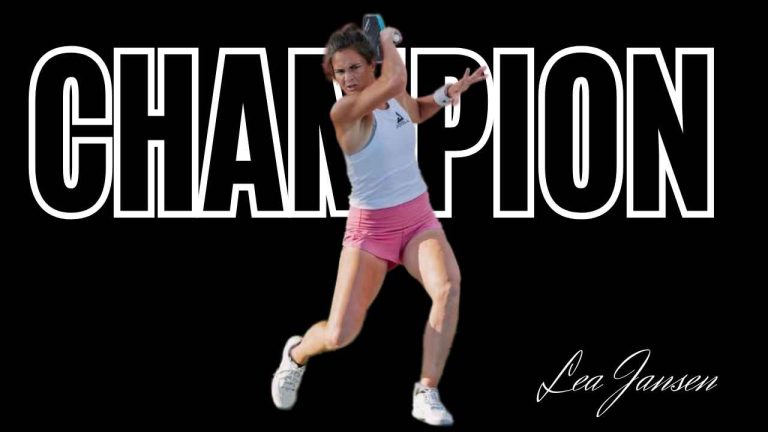
How Kaitlyn Christian Beat Lea Jansen?
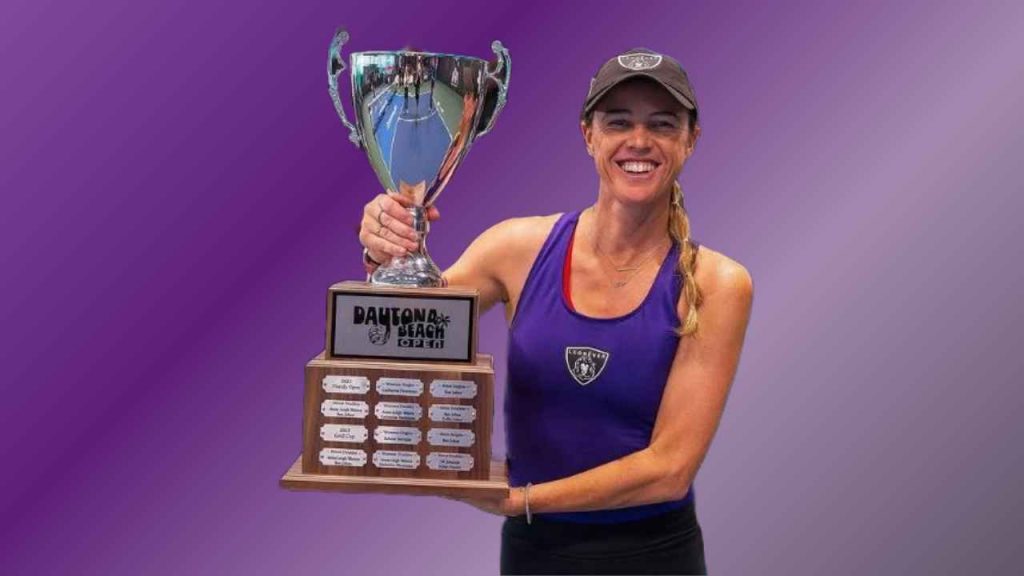
One of the most searched and discussed moments of her pickleball career is how Kaitlyn Christian beat Lea Jansen, a matchup that illustrates her tactical intelligence.
Rather than attempting to overpower Jansen, Christian focused on:
- Varying serve placement and spin
- Increasing net aggression at key moments
- Extending rallies to test endurance
- Targeting positional weaknesses
These wins highlighted her ability to adjust mid-match—an attribute honed over years on the WTA Tour.
Training, Fitness & Routine

The Kaitlyn Christian training routine blends professional tennis structure with pickleball-specific demands. Her weekly program typically includes:
- Technical drills (serves, dinks, resets)
- Match simulations and scenario training
- Strength and conditioning sessions
- Mobility, recovery, and rest protocols
Tennis vs Pickleball Conditioning
Unlike tennis, pickleball emphasizes short explosive movements and rapid recovery. Christian has adapted by focusing on agility, reaction speed, and joint durability. Mental preparation—visualization, video analysis, and tactical planning—remains central to her routine.
Equipment & Gear
At the professional level, equipment choices matter. The Kaitlyn Christian pickleball paddle setup reflects control and precision rather than marketing hype.
- Paddle: Proton Series Three (Project Flamingo)
- Apparel: Performance-focused athletic brands
- Footwear: Court-specific shoes emphasizing traction and stability
Her preference for elongated paddles with spin-friendly surfaces complements her aggressive yet calculated playing style.
Personal Life and Public Image
Fans often ask, is Kaitlyn Christian married?
As of publicly available information, she has not confirmed a marriage and keeps her personal life private.
Outside sport, Christian has appeared in major films including Battle of the Sexes (2017) and King Richard (2021), adding a unique dimension to her public profile and broadening her appeal beyond sports audiences.
Earnings, Sponsorships & Net Worth
Estimating Kaitlyn Christian net worth requires caution. Based on public information:
- Tennis prize money: ~$580,000
- Pickleball tournament earnings: steadily increasing
- Sponsorships and endorsements: significant
A conservative estimate places her net worth between $1–2 million, with pickleball now offering greater long-term financial upside than tennis ever did for many doubles specialists.
Media Presence & Competitive Landscape
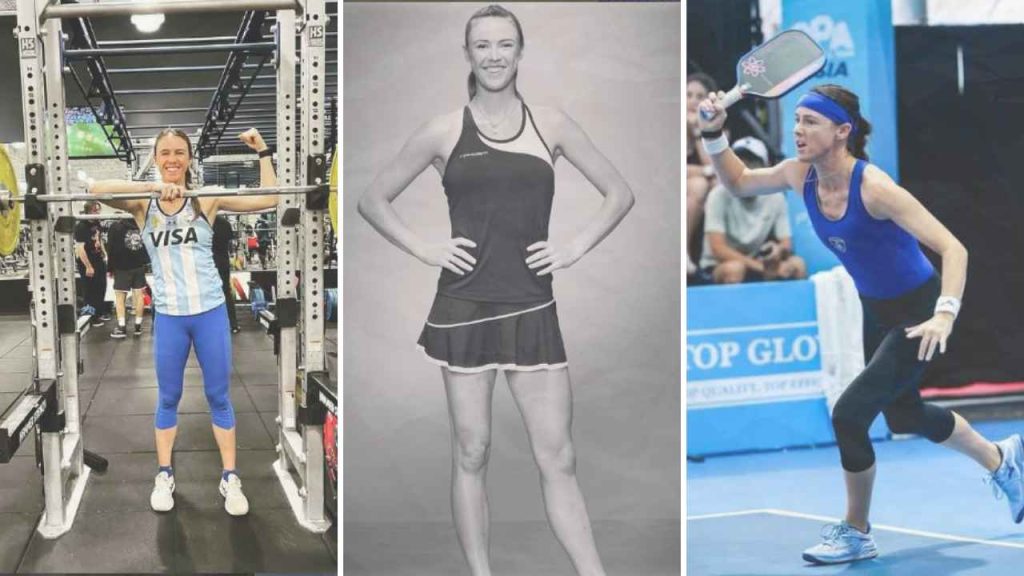
Christian maintains a consistent social presence, sharing training insights, match highlights, and competition experiences. Coverage from pickleball-focused outlets positions her as a serious contender rather than a novelty crossover athlete.
Competing against elite players such as Anna Leigh Waters, Kate Fahey, Brooke Buckner, and Lea Jansen, she has proven capable of holding her own in a rapidly intensifying women’s field.
Conclusion
Kaitlyn Christian’s rise as a professional pickleball player represents one of the most successful athlete transitions in modern racket sports. Built on USC discipline, WTA experience, and elite competitive habits, she has established herself among the sport’s top-tier competitors.
For audiences in the USA, UK, and Australia, her journey mirrors pickleball’s global expansion—fast, skill-driven, and increasingly professional. With rankings climbing and experience compounding, her future in the sport appears firmly anchored at the top.
This story is not about leaving tennis behind, but evolving beyond it. As pickleball continues to grow worldwide, Kaitlyn Christian stands as proof that reinvention—when done with intention, intelligence, and discipline—can lead to a second career just as impactful as the first.
Frequently Asked Questions

Jordan Blake
Jordan Blake is a racket-sports author with hands-on experience and a strong command of both tennis and pickleball. With a foundation built through years on the tennis court and a successful transition into competitive pickleball, Jordan brings practical insight, strategic clarity, and real-world understanding to every article.
Drawing on personal play, match analysis, and court-level observation, Jordan specializes in breaking down technique, tactics, and the mental aspects of both sports in a clear, data-informed, and accessible way. His dual-sport perspective helps readers understand how skills transfer between games—and where each sport demands its own distinct mastery.